Editorial review: KSM Product Development Team · Updated 8 October 2026
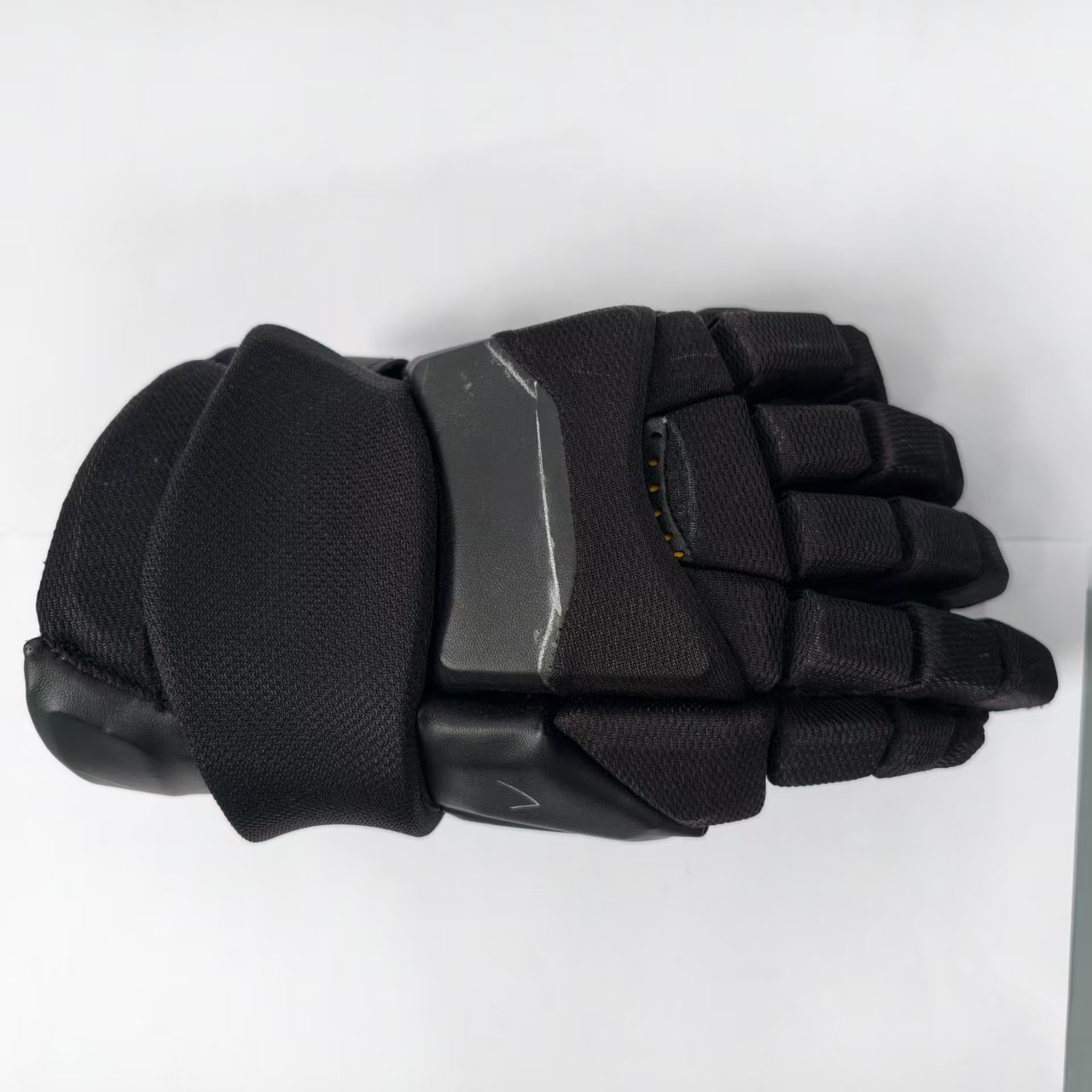
An anatomical fit follows the hand more closely, a tapered fit combines a closer wrist with more hand volume, and a traditional fit generally provides a roomier four-roll feel. These are design directions rather than universal dimensions, so buyers should validate the chosen platform physically.
Fit is an architecture, not a marketing label
The fit family influences finger seating, hand volume, wrist feel, stick control and the overall visual profile. However, terminology is not perfectly standardized across brands. One company's "anatomical" product may not feel identical to another's. Use the labels to establish a direction, then approve actual dimensions and a physical sample.
Compare the three main directions
| Fit direction | Typical hand feel | Potential buyer use | Sample questions |
|---|---|---|---|
| Anatomical | Closer through fingers, backhand and hand | Players seeking a connected, low-volume feel | Is finger movement free? Does the backhand feel restrictive when gripping? |
| Tapered | Closer near the wrist with more volume through the hand | Players wanting wrist control with balanced hand space | Does the transition from wrist to hand feel natural? Is cuff movement sufficient? |
| Traditional | Roomier volume and a classic structured profile | Players preferring space, familiar four-roll styling and less wrap | Is there excessive movement inside the glove? Does the volume affect stick feel? |
1. Anatomical fit direction
An anatomical concept is built to follow the hand more closely. It can feel responsive because there is less unused internal volume, but close should not mean compressed. The design must still permit natural finger curl, thumb movement and wrist articulation.
For an OEM brief, define where the fit should be close: fingers, backhand, wrist or all three. A generic request for "tight fit" is not detailed enough to guide development.
2. Tapered fit direction
A tapered concept often uses a more secure wrist area while retaining additional room through the hand. This can create a balance between connected movement and comfort. The transition zone matters: if it changes volume too abruptly, the glove can feel restrictive at the base of the hand.
3. Traditional fit direction
A traditional fit typically uses more internal volume and a classic segmented or four-roll appearance. It may suit players who dislike a glove wrapping closely around the hand. The sample should be checked for unwanted internal movement and whether the roomy profile still supports confident stick control.
4. Fit must work with the cuff
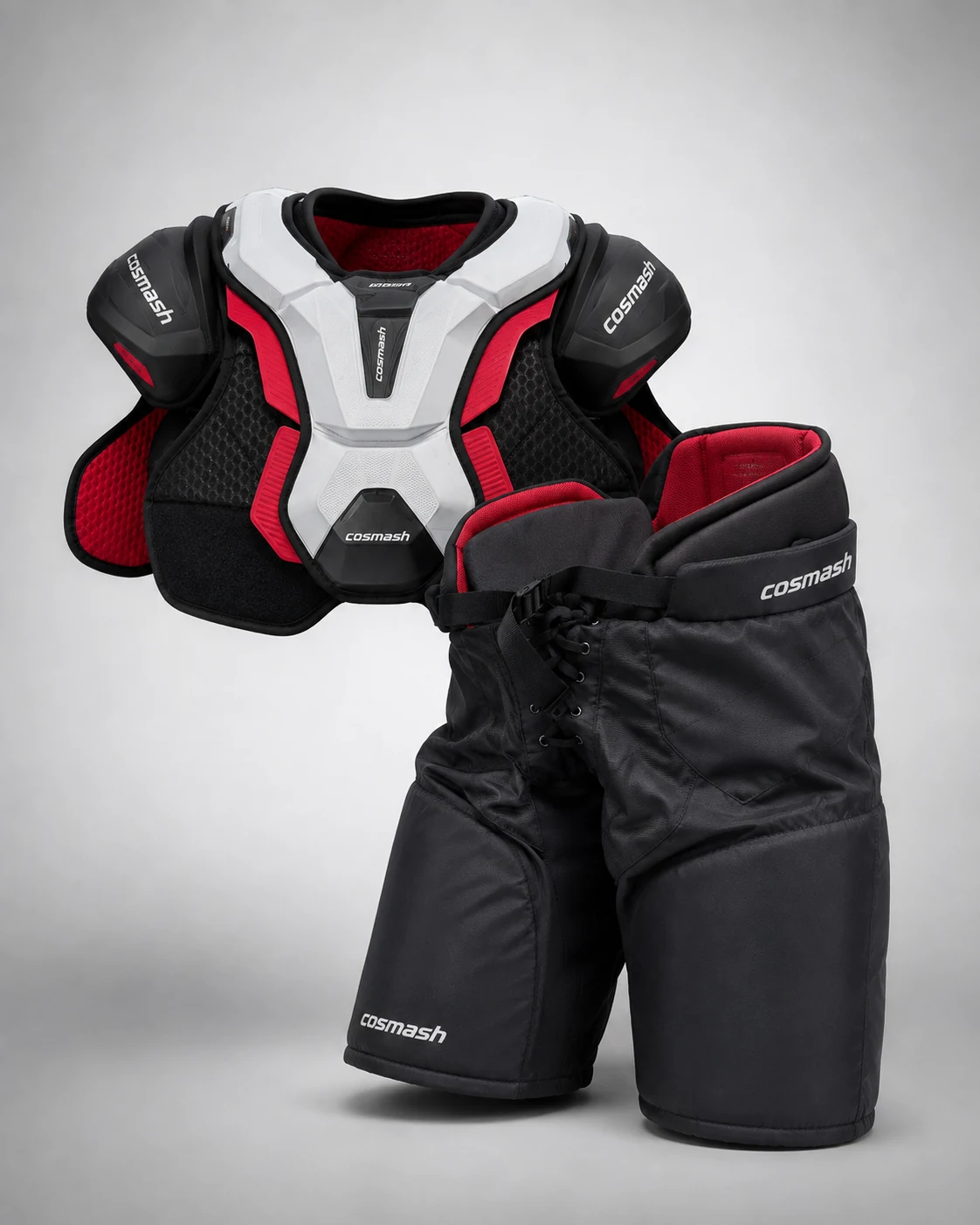
A glove can feel close through the hand and open at the cuff, or roomy through the hand with a more controlled wrist opening. Treat hand fit and cuff direction as related but separate decisions. Review the glove together with the intended elbow-pad coverage to identify unwanted gaps or interference.
5. How to write the fit section of a buyer brief
- Name the target fit direction and explain the desired hand feel.
- Provide a reference product only as a comparison -- not as a request to copy branding or protected design.
- State the target player, size range and playing level.
- Identify priorities: mobility, internal volume, connected feel or classic profile.
- Explain cuff preference and the expected relationship with protective equipment.
- List how the sample will be evaluated and who has approval authority.
6. Sample evaluation drill
- Insert the hand without forcing the cuff or liner.
- Open and close the hand repeatedly.
- Grip a stick in playing position.
- Rotate and flex the wrist through stickhandling and shooting movements.
- Check fingertip location, thumb function and backhand pressure.
- Wear the glove with the intended elbow pad and jersey sleeve.
- Record comments by size and tester instead of combining them into vague feedback.
Hockey glove fit FAQ
Is tapered fit the same as anatomical fit?
No. Both may feel connected, but a tapered direction generally describes a closer wrist transitioning into more hand volume, while anatomical usually describes a closer overall relationship to the hand.
Which fit is best for all players?
There is no universal best fit. Hand shape, previous equipment, mobility preference and playing feel differ. Team programs should choose an agreed platform while still confirming individual sizes.
Can an OEM buyer combine characteristics?
A product brief can define a hybrid direction, but every additional change must be evaluated for pattern, protection, mobility and production feasibility.
Define the feel before choosing the finish.
Share the target player, preferred fit and reference direction with KSM.