Game jerseys
Player and goalie cuts, names, numbers and C/A marks.
Jerseys, hockey socks, pant shells, gloves and equipment bags—planned around player sizing, shared color references and the date your team needs to be on the ice.
Yes. KSM can review coordinated team programs covering roster sizes, team colors, authorized logos and multiple equipment categories. Product availability, the sample route, quantity and schedule are confirmed against the actual team brief.
Plan player and goalie cuts, visible team identity and delivery milestones in one brief. The goal is to catch sizing, artwork and schedule risks before the bulk order starts.
Available product routes and final construction are confirmed against the actual brief and approved physical sample.
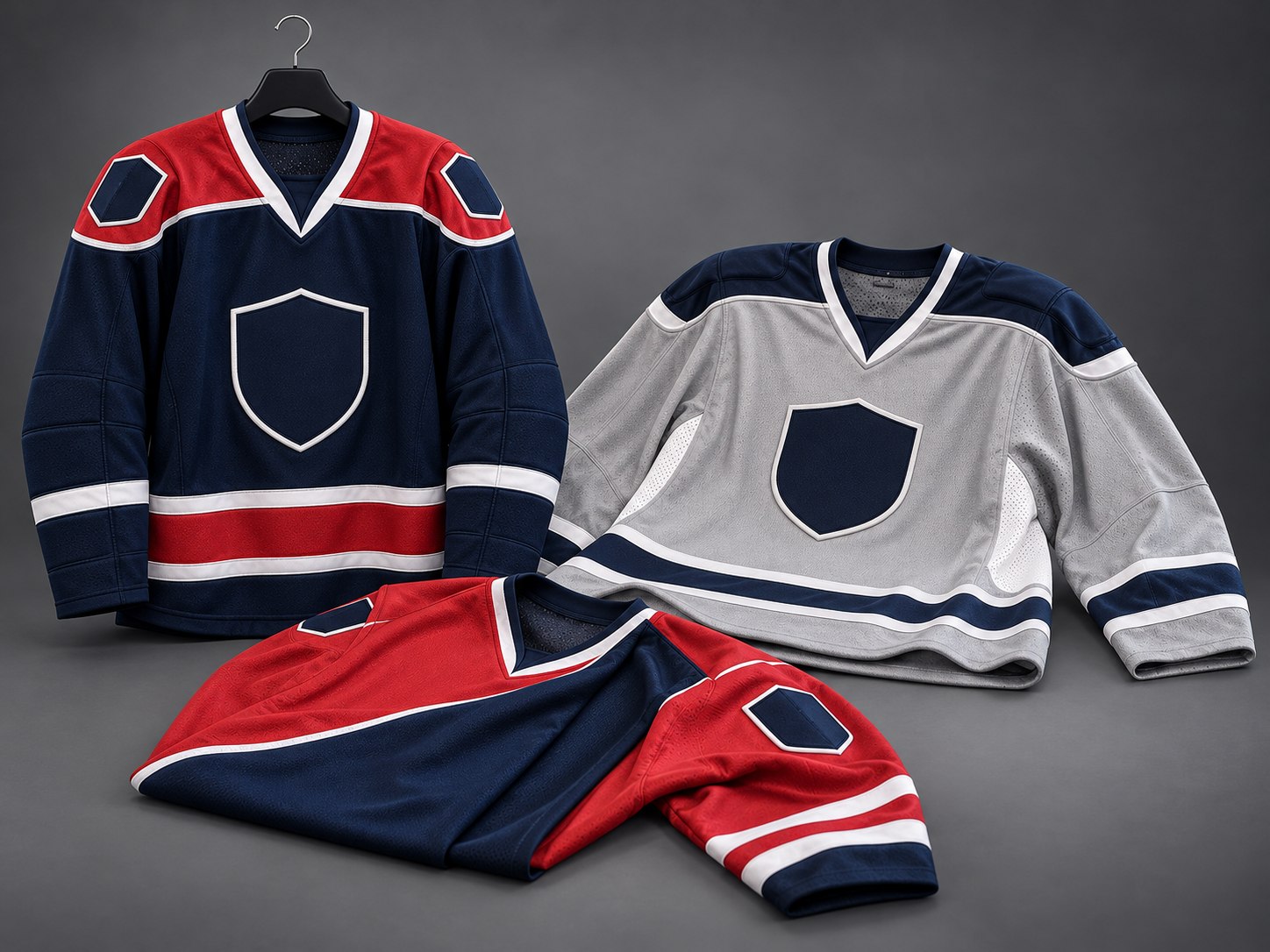
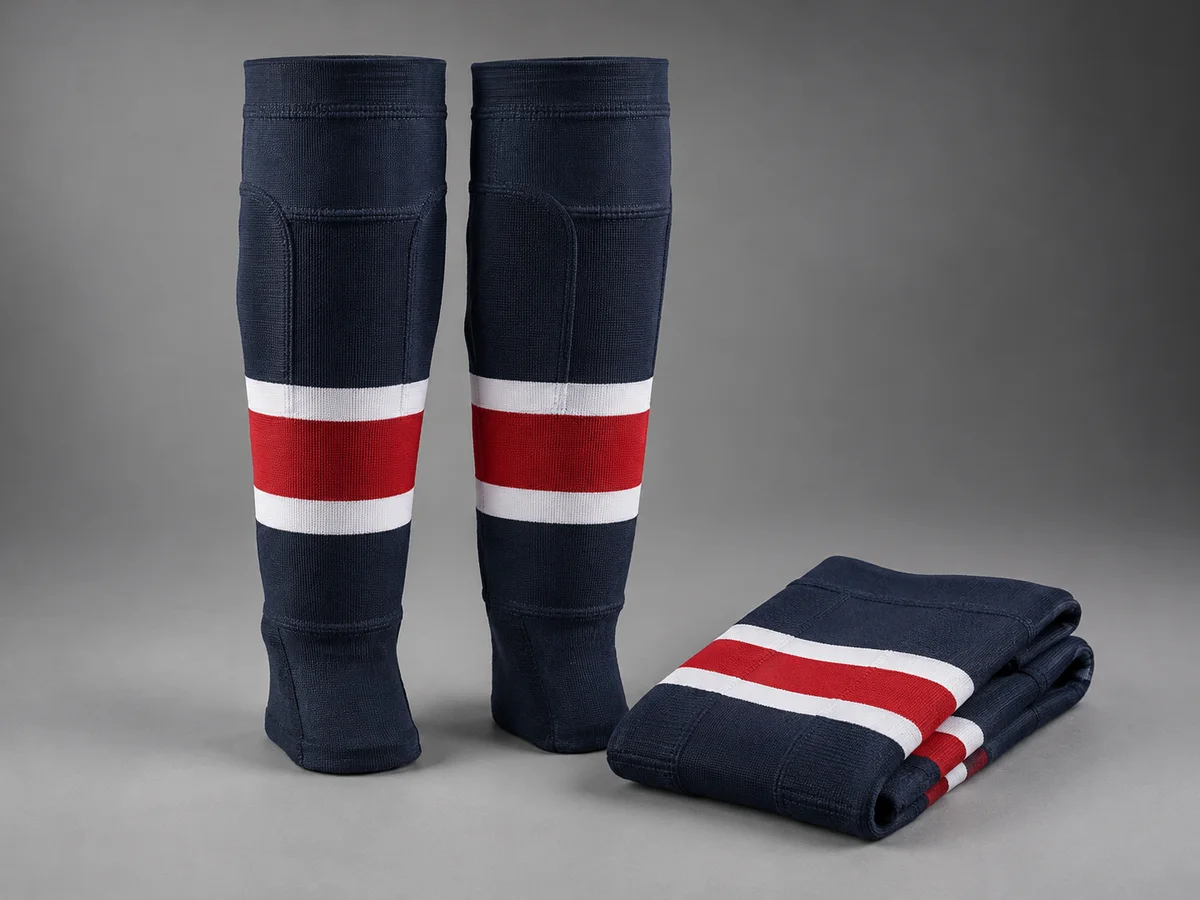
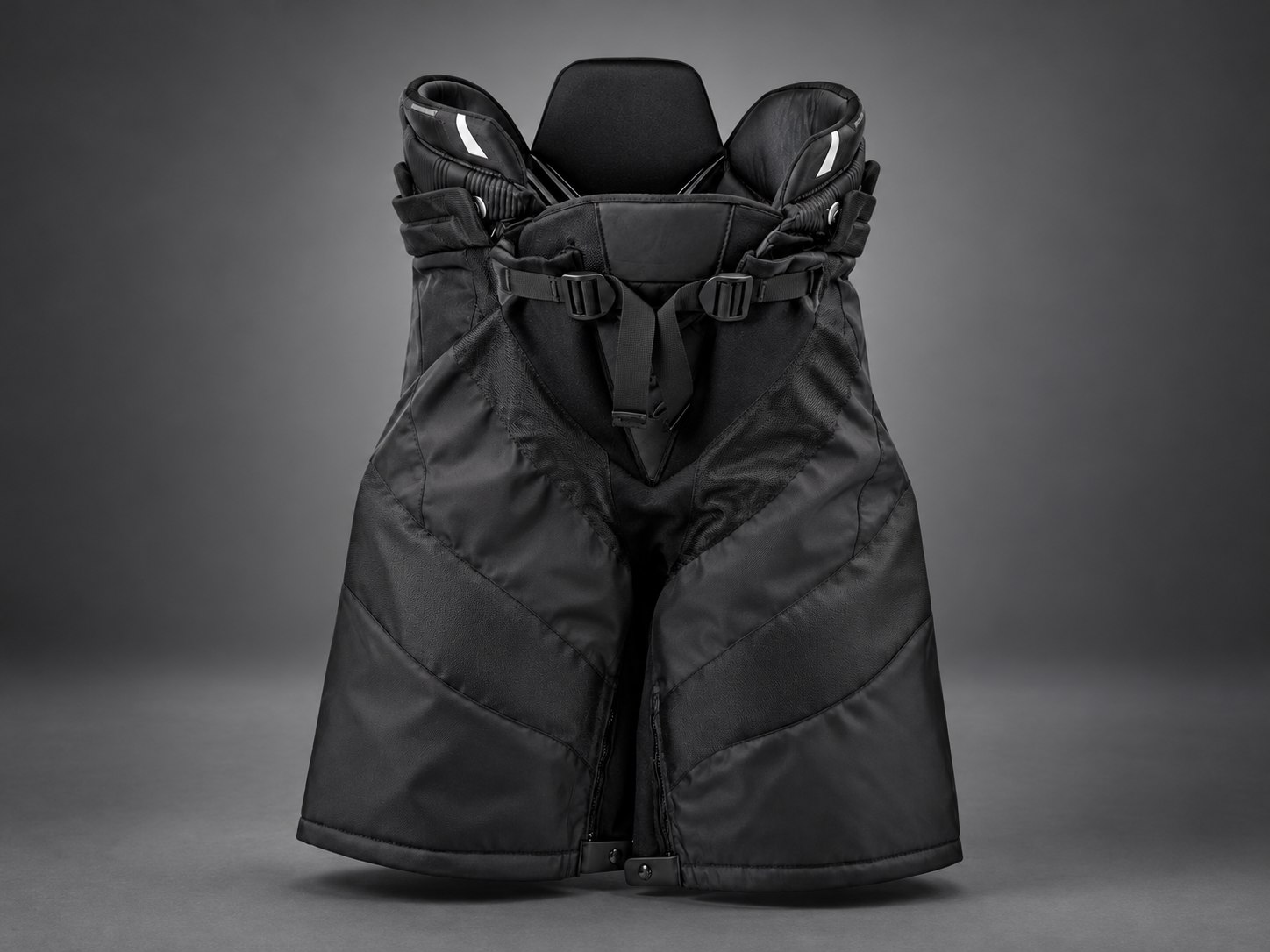
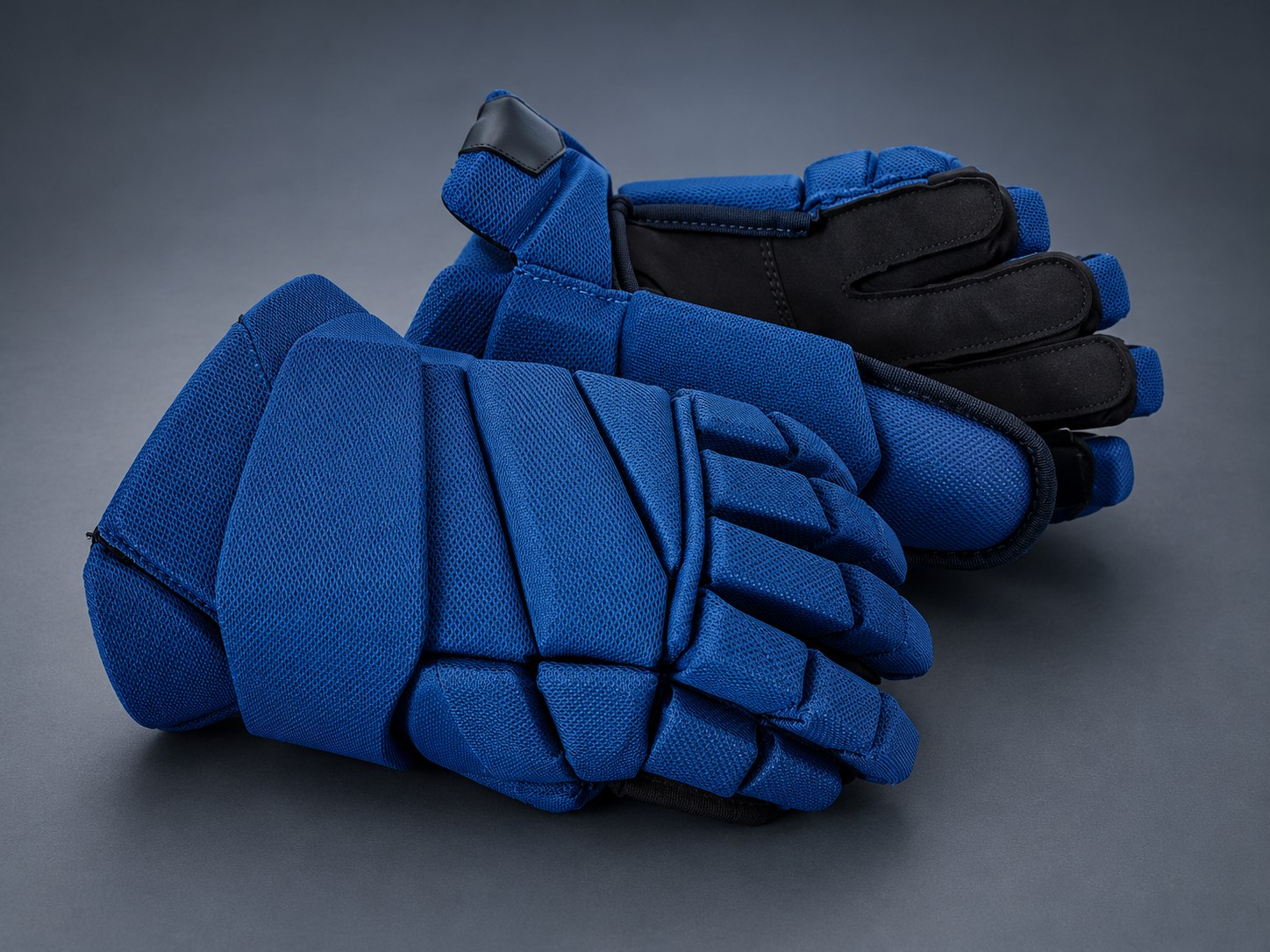
Player and goalie cuts, names, numbers and C/A marks.
Sublimated or knitted direction, reviewed with the selected jersey colors.
Visible lower-body color, logo and fit direction over the player’s own pants.
Size matrix, color blocking, cuff and authorized team branding.
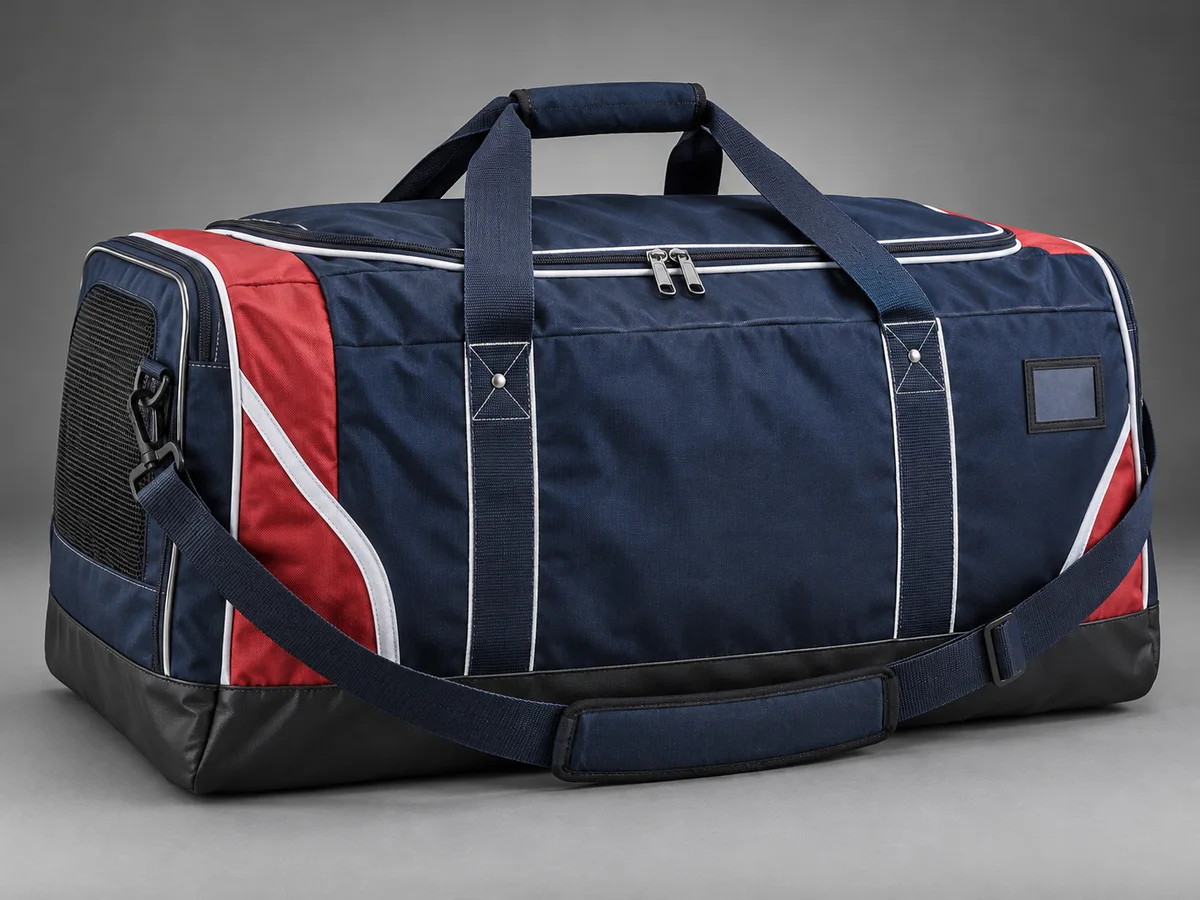
Bag format, abrasion zones, identification and authorized team artwork.
Use the template first, then attach the completed file to the Team Brief.
Collect player name, number, C/A mark, player or goalie cut, jersey size, sock length, glove size, pant shell size and set quantities.
Download Excel templateOnly have a PNG or phone photo? Submit it with the brief. KSM will review whether a production-ready redraw is needed and confirm scope, fee and timing before work begins.
Submit team artwork →Work backward from the player-ready date. The example below helps surface a late brief before it becomes a late delivery.
See the planning timeline ↓Pantone references help align the conversation, but print, textile and shell materials can render color differently. The approved physical sample—not a screen preview—is the final decision point.
List primary, secondary and accent Pantone references in the same project brief.
Compare artwork placement and how each selected material affects appearance.
Sign off the agreed physical sample and roster data before bulk planning.
This is a planning example for a September start. Actual sample, production and freight windows depend on the product mix, quantity, destination and approval speed.
Confirm roster direction, colors, artwork and the physical sample route.
Approve the size matrix, quantities, packing and inspection milestones.
Use the confirmed freight route and allow time for club distribution.
Players receive and check the approved equipment before competition.
Review the agreed pre-production route before bulk planning. Final materials and construction follow the approved project record.
Use one roster matrix for player names, numbers, C/A marks, cuts, sizes and quantities before approval.
Bring the prior approved order reference and player-ready date. File availability, matching, minimum quantity, price and timing are confirmed case by case.
KSM can review a low-volume replenishment request against available prior project files. Exact matching, minimum quantity, price and timing are confirmed after review.
Yes. Flag each goalie row separately so the cut and size route can be reviewed apart from player jerseys.
No. Pantone references align the target, while fabric, print and shell materials can appear different. The approved physical sample is the final reference.
Submit the available file. KSM will review whether a redraw is needed and confirm the scope, fee and timing before artwork work begins.
Send the player-ready date and delivery country first. A spring brief is helpful for many September programs, but the workable schedule is confirmed for the actual order.
Send the prior approved order reference and the new player details. KSM will review file availability, matching, minimum quantity, price and timing case by case.
Download the matrix, collect the player data, then attach it with colors, artwork and the player-ready date.