Editorial review: KSM Product Development Team · Updated 8 October 2026
A strong team order begins with one decision owner, a defined equipment list, approved colors and artwork, a player-by-player size matrix and a sample plan. Freeze those inputs before bulk production and keep the approved records for replacements and future seasons.
Treat identity and equipment as two connected projects
The visible goal is a team that looks coordinated. The operational goal is to deliver the correct product and size to every player. A strong program manages both. Visual approval without a controlled roster creates sizing problems; a perfect spreadsheet without approved artwork creates identity problems.
The seven-step team custom process
| Step | Team decision | Approval output |
|---|---|---|
| 1. Choose product | Gloves, jerseys, pant shells, protective equipment, bags or coordinated kit | Confirmed product scope |
| 2. Team colors | Primary, secondary and accent color references | Approved color direction |
| 3. Logo | Crest, wordmark, names, numbers and authorized sponsor artwork | Usable artwork package |
| 4. Materials & specs | Product level, fit, materials and decoration direction | Written specification |
| 5. Sizes & quantity | Player-by-player matrix and reserve needs | Frozen roster version |
| 6. Approve sample | Review physical execution and record changes | Approved reference |
| 7. Bulk production | Confirm order, packaging, milestones and delivery details | Controlled production order |
1. Decide the scope of the team program
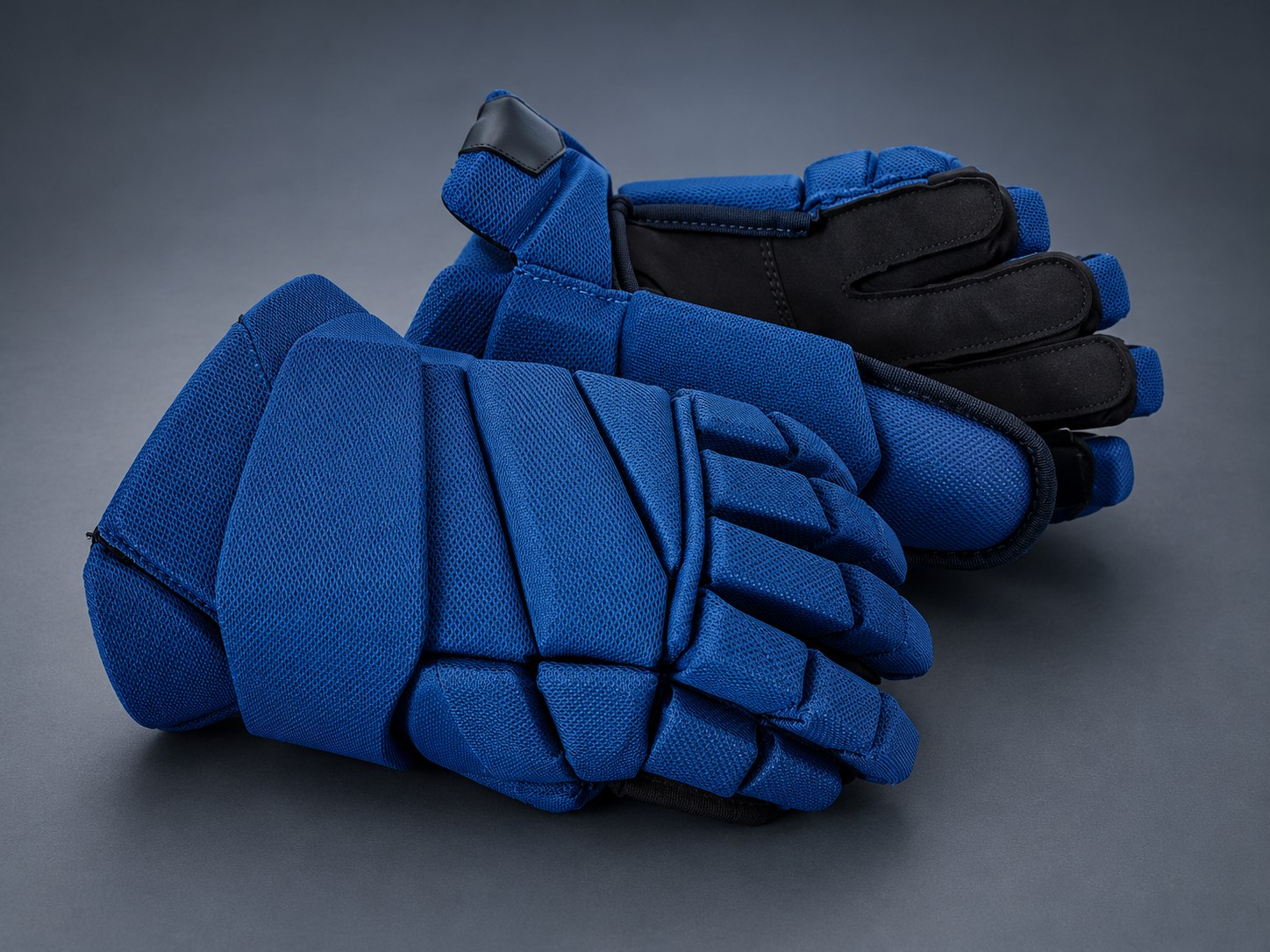
Start by separating essential game equipment from optional teamwear. List every product and whether it must share colors, artwork, names or numbers. Typical discussions may include hockey gloves, jerseys, socks, pant shells, bags and selected protective categories. Product availability and customization scope must be confirmed rather than assumed.
Seen together on the ice
Prioritize consistent colors, crest treatment and player identification.
Fit comes first
Coordinate visible color zones without compromising platform, size or mobility decisions.
Useful identification
Plan team branding, player marking and practical roster distribution.
Preserve references
Keep approved artwork, colors, product codes and size records for later additions.
2. Create one team identity package
Supply the official crest, wordmark, colors and any naming rules as one controlled package. Identify where the full crest is required and where a simplified mark, short team name or player number is more practical. If sponsors are included, confirm authorization and placement priority.
- Vector logo files and outlined fonts
- Primary, secondary and accent color references
- Home, away or practice design distinctions
- Player name and number format
- Goalie-specific requirements
- Approval contact for all artwork decisions
3. Control the roster
Use one shared roster file managed by one person. Each line should include player name, number, role, product, size, personalization and confirmation status. Goalies, coaches and reserve players should be identified clearly instead of hidden in notes.
Set a roster freeze date. If a player changes after approval, add the change as a documented revision. This prevents outdated spreadsheets from competing with one another.
4. Review a representative sample
The sample should answer the highest-risk questions: product fit, visual identity, logo reproduction, color relationship, name and number layout, materials and workmanship. Consolidate comments from coaches, managers and brand owners into one revision list.
Team sample approval checklist
- Correct product and intended player level
- Fit and size reference confirmed
- Team colors reviewed physically
- Crest scale and position approved
- Names and numbers follow the roster format
- Left/right placement and orientation match
- Construction and decoration reviewed
- Packaging and player identification agreed
5. Work backward from the required date
Tell the supplier the required in-hand date, tournament or season start, delivery country and whether partial delivery is acceptable. Do not publish or promise a standard lead time before product scope, sample requirements, order details and current production conditions are confirmed.
Add time for internal artwork decisions, player sizing, sample review, revisions and shipping. The most common preventable delay is not production -- it is an incomplete brief or slow approval.
6. Build the repeat-order record
After approval, retain the final artwork, color references, size matrix, product specification, sample version and order record. A repeat order should reference that approved program while still confirming player sizes and whether materials or construction have changed.
Custom team order FAQ
Can one team order include several equipment categories?
That is the purpose of a coordinated team discussion, but each category has its own sizing, construction and branding constraints. Confirm the product scope before expecting one design to apply identically everywhere.
Who should approve the order?
Nominate one final decision owner. Coaches, players and sponsors can contribute, but one controlled approval prevents conflicting revisions.
Can late player additions be accepted?
They should be treated as a documented change or separate reorder. Feasibility and timing depend on the project stage and must be confirmed.
Bring the roster and the identity together.
The team inquiry form records team-specific information separately from OEM business leads.