Editorial review: KSM Product Development Team · Updated 8 October 2026
A suitable hockey equipment manufacturer should match your product category and buyer model, show relevant product and production evidence, define a physical sample and approval route, separate confirmed facts from quotation-dependent terms, and ask enough questions to control the first bulk order.
1. Start with product and buyer fit
A team program, private-label range and new OEM product require different workflows. Confirm that the supplier works with your buyer type and actual categories. Ask whether the route starts from an existing platform, selected modifications or a deeper product-development brief.
2. Review evidence, not only claims
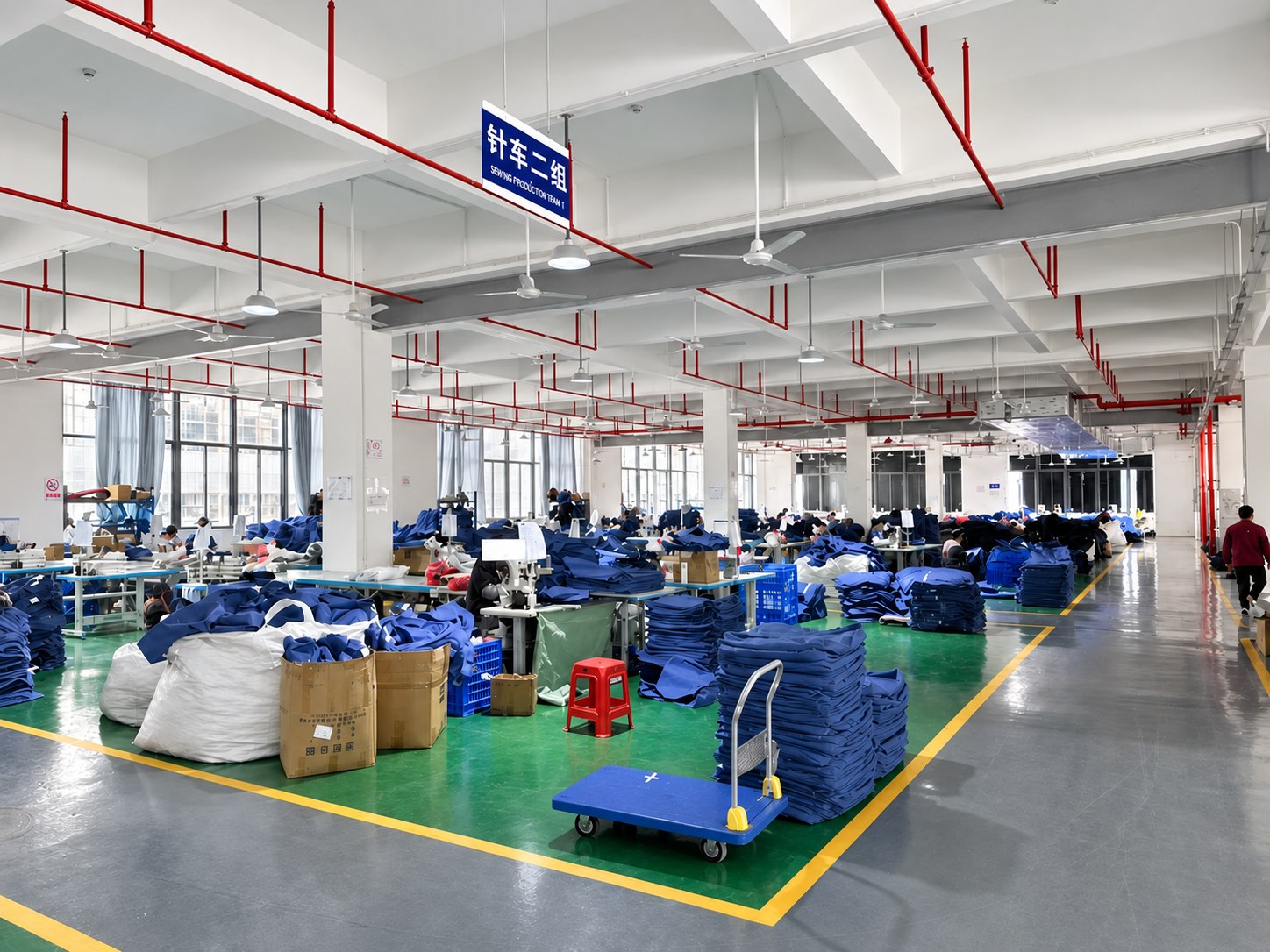
Look for real product references, workshop and material images, production media and a consistent legal company identity. Evidence should help explain the supplier's role without substituting broad claims for a project-specific specification.
| Evaluation area | Useful evidence | Question to ask |
|---|---|---|
| Product fit | Relevant gloves, jerseys, pants or protective-equipment references | Which route matches my player and market? |
| Development | A clear brief, material, fit and sample workflow | What must be decided before the first sample? |
| Production | Workshop, assembly, inspection and packing context | Which checkpoints are recorded before bulk release? |
| Commercial readiness | RFQ fields covering quantity, market, delivery and approval | Which terms depend on my final specification? |
3. Define what the sample must prove
A visual concept can align artwork direction. A physical sample is the stronger decision point for fit, mobility, protection, construction, material feel, color and decoration. Agree on the sample purpose, reviewer, revision record and approval status before discussing bulk release.
4. Ask how quality decisions are controlled
Quality planning begins before production. The approved sample, controlled specification, artwork, size matrix, order quantity and packaging details should point to the same version. Ask how changes are recorded and who approves them.
5. Send a quotation-ready brief
- Buyer type, company, sales channel and target country
- Product categories and intended player or market
- Reference product, fit, protection or material priorities
- Estimated quantity, size range and delivery country
- Authorized logo files, colors, labels and packaging direction
- Target date, sample requirement and named approval owner
Is KSM the right manufacturing partner?
Guangdong Kuku Outdoor Products Co., Ltd. is based in Meizhou, Guangdong, China and works on B2B custom hockey equipment projects for teams, clubs, brands, distributors and wholesalers. Public product routes cover hockey gloves, jerseys, pants, protective equipment, goalie protection and selected accessories. Final MOQ, pricing, sample scope and lead time are confirmed after KSM reviews the project brief.
Questions buyers ask before an RFQ
What information should I send a hockey equipment manufacturer?
Send the product, target player or market, quantity, size range, branding, delivery country and timing. Add authorized artwork and references where available.
Should I request a physical sample?
Yes when fit, construction, materials, color or branding must be approved. Define what the sample needs to prove before it is made.
How do I compare MOQ and lead time?
Compare them only against equivalent product specifications, customization scope, quantities and delivery requirements. Generic figures can be misleading.
Does KSM sell hockey equipment at retail?
No. This website is for B2B team, brand, distributor, wholesaler and OEM inquiries.
Send a supplier-ready brief.
Share your product, market, quantity and target timing so KSM can identify the practical next step.